
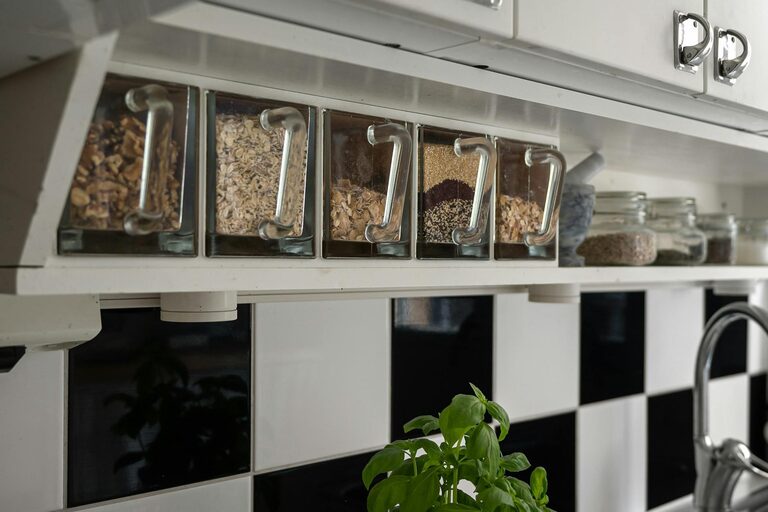
Planning meals from pantry staples is a smart way to save time, reduce trips to the grocery store, and create satisfying dishes using what you already have at home. Whether you’re facing a busy week or simply want to get creative with your kitchen essentials, learning how to use pantry items effectively can make meal preparation easier and more enjoyable. In this post, we’ll explore practical strategies and tasty recipe ideas so you can confidently plan meals around your pantry staples.
Why Plan Meals from Pantry Staples?
Pantry staples include non-perishable foods you keep on hand like rice, canned beans, pasta, canned tomatoes, spices, and dried herbs. These items have a long shelf life and can form the base of many different meals.
Planning meals based on pantry ingredients helps you:
– Save money by using items you already have
– Reduce food waste by preventing unused food from expiring
– Cut down on last-minute grocery shopping
– Stay flexible with easy and quick meal options
– Discover new recipe combinations you may not have tried
Step 1: Take Inventory of Your Pantry Staples
The first step is to know exactly what you have. Set aside some time to go through your pantry, cabinet, and any other storage areas. Make a list of your staples, such as:
– Grains: rice, quinoa, oats, pasta, couscous
– Canned goods: beans, tomatoes, vegetables, tuna
– Baking essentials: flour, sugar, baking powder
– Broths and sauces: chicken broth, soy sauce, tomato paste
– Spices and herbs: salt, pepper, cumin, oregano, cinnamon
– Nuts and seeds: almonds, chia seeds, pumpkin seeds
Knowing what you have helps you plan meals without needing to buy additional ingredients.
Step 2: Plan Meals Around Versatile Staples
Next, consider which pantry staples are the most versatile and plan meals around those. For example:
– Rice and beans: a classic combination that can be flavored with different spices or sauces.
– Pasta and canned tomatoes: great for quick pasta dishes or soups.
– Canned chickpeas: useful for curries, salads, or roasted snacks.
– Oats: can be used for breakfast or baking.
Try creating a few base recipes that can be altered slightly to keep meals interesting.
Step 3: Mix and Match Ingredients
Get creative by mixing staples with fresh or frozen produce when available. Here are some simple meal ideas:
1. One-Pot Rice and Beans
– Ingredients: rice, canned black beans, canned diced tomatoes, onion, garlic, cumin, chili powder
– Instructions: Sauté onion and garlic, add rice and canned goods with seasonings, then simmer until rice is cooked. Top with fresh herbs if you have them.
2. Pasta with Tomato Sauce
– Ingredients: pasta, canned crushed tomatoes, garlic, olive oil, dried basil or oregano
– Instructions: Cook pasta according to package. In a separate pan, cook garlic in olive oil, add crushed tomatoes and herbs, simmer for 15 minutes. Toss with pasta.
3. Chickpea Curry
– Ingredients: canned chickpeas, canned coconut milk or broth, curry powder, onion, garlic, ginger (optional)
– Instructions: Sauté onion, garlic, and ginger. Add spices, chickpeas, and liquid. Simmer until flavors combine. Serve with rice.
4. Oatmeal with Nuts and Seeds
– Ingredients: oats, water or milk, nuts, seeds, cinnamon, honey or maple syrup
– Instructions: Cook oats with liquid. Top with nuts, seeds, and a drizzle of sweetener.
Step 4: Use Spices to Elevate Your Meals
Spices are powerful and can change the entire flavor profile of a dish. Keep a basic spice collection and experiment with blends like Italian seasoning, curry powder, smoked paprika, or chili flakes to add variety.
Step 5: Maintain a Well-Stocked Pantry
As you use your staples, try to restock key items. Having a reliable selection of pantry essentials means you’re always ready to cook with minimal fresh ingredients.
Pantry Restock Checklist
– Canned beans (black, kidney, chickpeas)
– Canned tomatoes (diced, crushed, paste)
– Dry pasta and rice
– Broth cubes or cartons
– Olive oil and cooking oil
– Basic spices and dried herbs
– Flour and sugar
Final Tips for Successful Pantry Meal Planning
– Batch cook: Prepare larger quantities of soups, stews, or grains and store leftovers.
– Label and organize: Keep your pantry neat and label items with purchase dates.
– Keep fresh produce simple: A few onions, garlic, and frozen vegetables add flavor and nutrition.
– Regularly review pantry: Avoid expired items and adjust your stock based on what you use often.
Conclusion
Meal planning using pantry staples is a great way to simplify cooking and make the most of your kitchen supplies. By taking inventory, focusing on versatile ingredients, and mixing in fresh items when possible, you can enjoy a variety of tasty, nutritious meals without stressing about last-minute grocery runs. Start experimenting with your pantry today and discover how easy and rewarding it is to cook delicious meals from items you already have at home!