
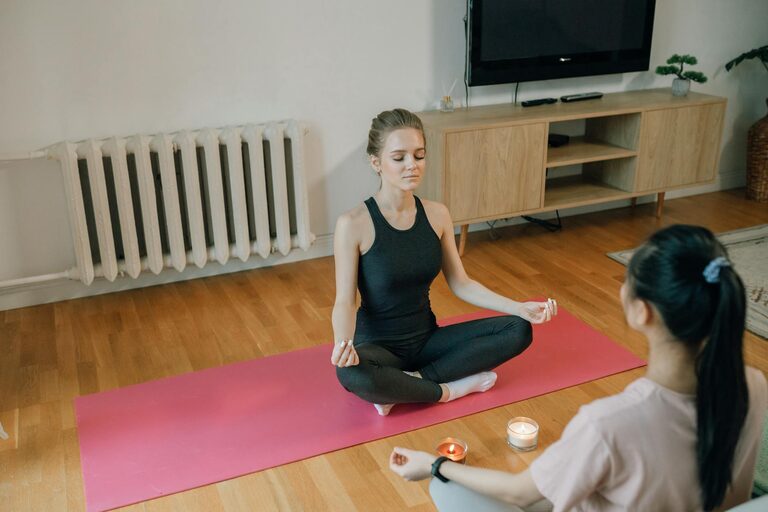
Taking mindful breathing breaks is an easy and effective way to refresh your mind, reduce stress, and improve concentration throughout the day. Whether you’re at work, home, or on the go, a few moments of intentional breathing can help you feel calmer and more centered. If you’re new to mindfulness or looking for simple ways to get started, this post will guide you through beginner-friendly tips for mindful breathing breaks.
What Is Mindful Breathing?
Mindful breathing is the practice of paying close attention to your breath—the natural rhythm of inhaling and exhaling—without trying to change it. It’s about observing your breath in the present moment, which can help direct your focus away from distractions, worries, or overwhelming thoughts.
Unlike regular breathing, mindful breathing is intentional and steady. The goal isn’t to control your breath perfectly but to become an observer who gently returns their attention to it whenever the mind wanders.
Why Take Mindful Breathing Breaks?
Here are some key benefits of incorporating mindful breathing breaks into your daily routine:
– Reduces stress and anxiety: Slowing your breath signals your nervous system to relax.
– Improves focus and clarity: Taking a short break resets mental fatigue.
– Enhances emotional regulation: Mindful breathing helps manage overwhelming feelings.
– Boosts energy: Instead of reaching for caffeine, a quick breathing break can refresh and rejuvenate.
– Supports better posture and body awareness: Breathing mindfully often encourages a relaxed, upright posture.
When and How Often Should You Take Breathing Breaks?
Start by dedicating 3 to 5 minutes a few times a day. Some simple moments to try mindful breathing include:
– Before starting work or a new task
– During mid-morning or afternoon slumps
– Whenever you feel stressed or overwhelmed
– After finishing a meeting or call
– Before bedtime to promote relaxation
You can gradually increase the length or frequency of breaks as you feel comfortable.
Beginner Tips for Mindful Breathing Breaks
1. Find a Comfortable Position
You don’t need to sit cross-legged on the floor unless you want to. Choose any comfortable position such as sitting in a chair with feet flat on the floor, lying down, or even standing. Keep your back straight but relaxed to allow for easy breathing.
2. Use a Timer
Especially when starting out, setting a gentle timer for 3 to 5 minutes can help you stay committed without worrying about tracking time. Many meditation apps or your phone’s timer feature work well.
3. Focus on the Breath Sensations
Close your eyes if comfortable. Notice the feeling of air entering your nostrils, the rise and fall of your chest or belly, and the smoothness of each inhalation and exhalation. Don’t force your breath; just observe.
4. Try Counting Your Breaths
If your mind wanders, gently bring it back by counting each breath cycle:
– Inhale (1), exhale (1)
– Inhale (2), exhale (2)
Count up to 5 or 10, then start over. Counting helps anchor your attention.
5. Practice Deep Belly Breathing
Place one hand on your belly and the other on your chest. Breathe in slowly through your nose, allowing your belly to rise as it fills with air. Exhale gently through your mouth, feeling your belly fall. This type of breathing activates the diaphragm and promotes relaxation.
6. Use Guided Breathing Exercises
If you prefer guidance, use free apps or online videos that lead you through simple breathing exercises. These often include soothing instructions and can help maintain your focus.
7. Incorporate Simple Mantras or Affirmations
Adding a calming phrase like “I am calm” or “Breathing in peace, breathing out stress” can deepen your mindful experience. Repeat the phrase silently with each breath cycle.
8. Be Patient and Kind to Yourself
It’s normal for your mind to wander during mindful breathing. When this happens, gently acknowledge the distraction and return your focus to the breath without judgment.
Simple Mindful Breathing Exercises to Try
The 4-7-8 Breathing Technique
- Breathe in quietly through the nose for 4 seconds.
- Hold your breath for 7 seconds.
- Exhale completely through the mouth for 8 seconds, making a gentle whooshing sound.
- Repeat for 4 cycles.
This method is great for relaxation and easing anxiety.
Box Breathing (Square Breathing)
- Inhale for 4 seconds.
- Hold your breath for 4 seconds.
- Exhale for 4 seconds.
- Hold your breath again for 4 seconds.
- Repeat the cycle as needed.
Box breathing is popular for calming nerves and improving concentration.
Simple Breath Observation
- Sit comfortably and close your eyes.
- Notice your natural breath flowing in and out.
- When your mind wanders, gently bring attention back to the breath.
- Observe without changing your breathing.
This is the core practice of mindful breathing.
Tips for Making Mindful Breathing a Habit
– Attach your breathing breaks to regular activities (e.g., after brushing teeth or before lunch).
– Keep reminders on your phone or workspace.
– Join mindfulness or meditation groups online for motivation.
– Celebrate small wins and recognize your growing awareness.
Final Thoughts
Mindful breathing breaks are a simple yet powerful tool anyone can use to encourage calm, clarity, and well-being. Starting with just a few minutes a day, you can build a practice that helps you navigate daily challenges with more ease and intention.
Give yourself permission to pause, breathe, and reconnect with the present moment—you deserve it!
—
Feel free to share your experience with mindful breathing in the comments below. How do you like to take your mindful breaks?