
Composting at home is a fantastic way to reduce kitchen and garden waste while creating nutrient-rich soil for your plants. If you’re new to composting, the process might seem a bit daunting at first, but with the right guidance, it becomes easy and rewarding. In this post, we’ll walk you through beginner tips to start composting effectively and enjoy all the benefits it offers.
What Is Composting?
Composting is the natural breakdown of organic material like food scraps, leaves, and grass clippings into a dark, crumbly substance called compost. This compost is rich in nutrients and improves soil health by enhancing its structure, moisture retention, and fertility.
Why Compost at Home?
– Reduces the amount of waste sent to landfills
– Lowers your household’s carbon footprint
– Provides free, nutrient-dense fertilizer for your garden
– Promotes healthier plants and vegetables
– Encourages sustainable living practices
Getting Started: Basic Composting Tips
1. Choose Your Composting Spot
Select a dry, shady spot in your yard or garden. It should be near a water source and convenient to access. If you don’t have outdoor space, consider indoor compost bins designed for kitchen scraps.
2. Pick the Right Compost Bin or Pile
You can compost in an open pile or use bins made from plastic, wire mesh, or wood. Beginners often find compost bins helpful because they keep the material contained and deter pests.
3. Know What to Compost
Compost materials are generally divided into greens and browns:
– Greens: Nitrogen-rich materials such as fruit and vegetable scraps, coffee grounds, grass clippings.
– Browns: Carbon-rich materials like dried leaves, straw, cardboard, and paper.
A good compost mix balances roughly 3 parts browns to 1 part greens.
4. Avoid Composting These Items
Certain items should not be composted at home because they can attract pests or cause odors:
– Meat, fish, dairy products
– Oils and greasy foods
– Diseased plants
– Pet waste
– Invasive weeds or plants treated with pesticides
5. Chop or Shred Your Materials
Breaking down materials into smaller pieces speeds up the decomposition process. You can chop vegetable scraps or shred leaves before adding them to your compost.
How to Maintain Your Compost
1. Keep It Moist
Compost should be about as damp as a wrung-out sponge. If it’s too dry, decomposition slows down. Water your pile occasionally or cover it to retain moisture.
2. Turn or Aerate Regularly
Flipping your compost pile every 1-2 weeks introduces oxygen, helping microbes break down materials. Use a garden fork or compost aerator tool to mix the pile.
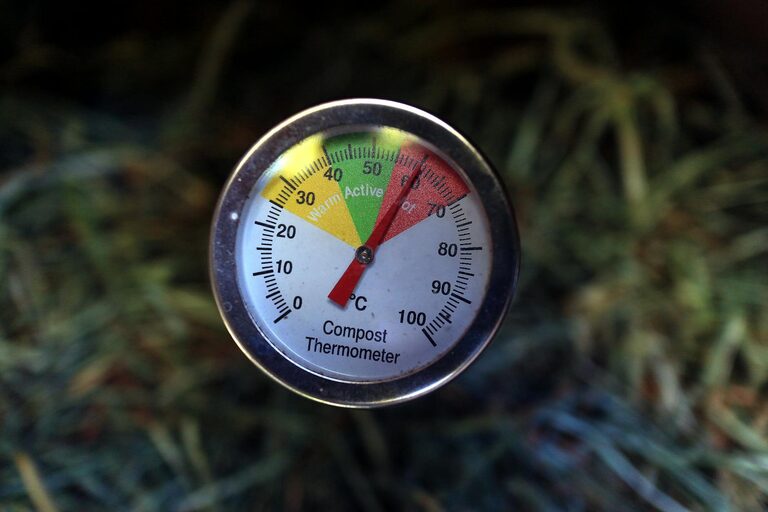
3. Monitor Temperature
A well-maintained compost pile heats up as microbes work. This warm stage helps break down materials and kills weed seeds. If your pile isn’t warming, try adding more green materials or turning it more often.
Common Composting Challenges and Solutions
| Problem | Cause | Solution |
|————————|—————————————|———————————|
| Foul odor | Too much green or wet material | Add more browns; turn pile |
| Pests (rats, raccoons) | Meat or dairy in compost | Remove these items; secure bin |
| Slow decomposition | Dry or compacted pile | Add water; turn pile; chop scraps|
| Fruit flies | Exposed fresh fruit scraps | Cover with browns; bury scraps |
Using Your Finished Compost
Compost is ready when it looks dark, crumbly, and smells earthy—this usually takes 3-6 months.
Ways to Use Compost:
– Mix it into garden beds to improve soil texture
– Use as a top dressing for lawns or potted plants
– Blend with potting soil for seedlings or container plants
– Make compost tea by steeping compost in water and use as a natural fertilizer spray
Additional Tips for Success
– Start small: Don’t overwhelm yourself with a large pile early on.
– Keep a kitchen scrap bucket handy to collect materials daily.
– Use a compost thermometer if you want to monitor pile temperature precisely.
– Consider worm composting (vermicompost) if you have limited space.
Final Thoughts
Composting at home is a simple yet powerful way to help the environment and boost your garden’s health. With these beginner tips, you can easily start composting and enjoy the satisfaction of turning waste into valuable soil food. Happy composting!
—
If you enjoyed this guide, be sure to explore other sustainable gardening practices and share your composting experiences in the comments below.