
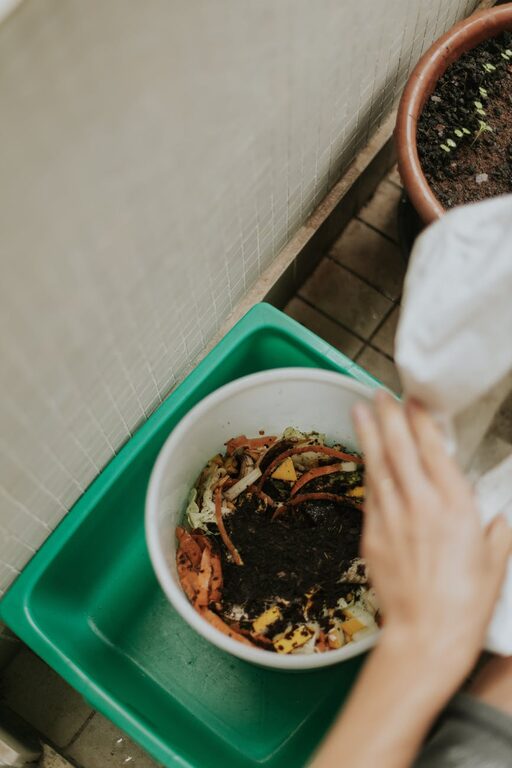
Composting at home is a rewarding and eco-friendly way to reduce waste while enriching your garden soil. If you’re new to composting, it might seem a little overwhelming at first. But with some basic knowledge and a few easy steps, anyone can start turning kitchen scraps and yard waste into valuable compost. This guide offers beginner-friendly tips to help you get started on your composting journey.
What Is Composting?
Composting is the natural process of recycling organic matter, such as food scraps and leaves, into a dark, rich soil amendment known as compost. Compost improves soil health, supports plant growth, and reduces the amount of waste sent to landfills. It’s a simple way to contribute to a more sustainable lifestyle.
Why Compost at Home?
– Reduce waste: Composting helps keep food scraps and yard waste out of landfills.
– Enhance soil: Compost adds nutrients and improves soil structure.
– Save money: Healthier soil means fewer fertilizers and less watering.
– Support the environment: Composting lowers greenhouse gas emissions and encourages natural recycling.
Getting Started: Choose the Right Composting Method
There are several ways to compost at home. Choose a method that fits your space, lifestyle, and needs.
1. Traditional Compost Bin
A compost bin is a container designed for composting in your backyard. It helps keep your compost neat and retains heat and moisture.
– Best for: People with a yard or garden space.
– Pros: Good heat retention speeds up decomposition. Keeps pests out.
– Cons: Requires some space and occasional turning.
2. Compost Pile
Simply create a pile of compostable materials in your yard.
– Best for: Those with large yard space.
– Pros: Easy to set up, no additional equipment needed.
– Cons: Less control over moisture and pests, slower breakdown.
3. Tumbler Composters
A compost tumbler is a sealed container you can rotate to mix materials.
– Best for: Small yards or people who want fast composting.
– Pros: Easy to turn, less odor, speeds up composting.
– Cons: Often smaller capacity, more expensive.
4. Worm Composting (Vermicomposting)
Using special composting worms to break down food scraps in a bin.
– Best for: Indoor composting or small spaces.
– Pros: Produces nutrient-rich worm castings. Can be done indoors.
– Cons: Requires maintenance and worm care.
What Can You Compost?
Knowing what to add is key to successful composting. Compost materials are grouped as “greens” and “browns.”
Greens (Nitrogen-Rich)
– Fruit and vegetable scraps
– Coffee grounds and tea bags
– Fresh grass clippings
– Plant trimmings
Browns (Carbon-Rich)
– Dry leaves
– Straw or hay
– Newspaper and cardboard (shredded)
– Wood chips and sawdust (untreated)
Avoid Adding
– Meat, dairy, and oily foods (can attract pests)
– Pet waste (may contain harmful pathogens)
– Diseased plants or weeds with seeds
– Chemically treated wood or plants
Tips for Success: Balancing Your Compost
To create healthy compost, balance greens and browns while maintaining moisture and airflow.
1. Balance Greens and Browns
Aim for about 3 parts browns to 1 part greens. Browns provide carbon; greens add nitrogen. Too many greens make it smelly; too many browns slow decomposition.
2. Chop or Shred Materials
Smaller pieces break down faster. Chop food scraps and tear leaves before adding.
3. Keep It Moist
Compost should be as damp as a wrung-out sponge. Water dry piles or cover during heavy rains.
4. Turn or Aerate Regularly
Mixing the pile every couple of weeks adds oxygen, which helps speed up the process and prevents odors.
5. Monitor Temperature
A healthy compost pile heats up to 130-160°F (55-70°C). If it’s not heating up, add more greens or turn it.
Troubleshooting Common Compost Issues
Smelly Compost
Usually caused by too many greens or lack of airflow. Add browns and turn the pile.
Slow Decomposition
May need more greens, moisture, or turning. Chop materials finely.
Pests in Compost
Avoid meat, dairy, and oily foods. Use a closed bin or tumbler.
Compost Attracts Flies
Cover food scraps with browns to reduce flies.
Harvesting Your Compost
When compost is dark brown, crumbly, and smells earthy, it’s ready to use. This typically takes 2-6 months, depending on conditions.
– Sift out large pieces to return to the pile.
– Use finished compost as mulch, soil amendment, or potting mix ingredient.
Final Thoughts
Starting composting at home is easier than you might expect. By choosing the right method, balancing your materials, and keeping an eye on moisture and airflow, you can transform everyday waste into garden gold. Composting not only benefits your plants but also reduces waste and supports a healthier planet. Give it a try and watch your garden—and your environmental impact—grow!
Happy composting!